Drain Line Replacement in Denver, CO
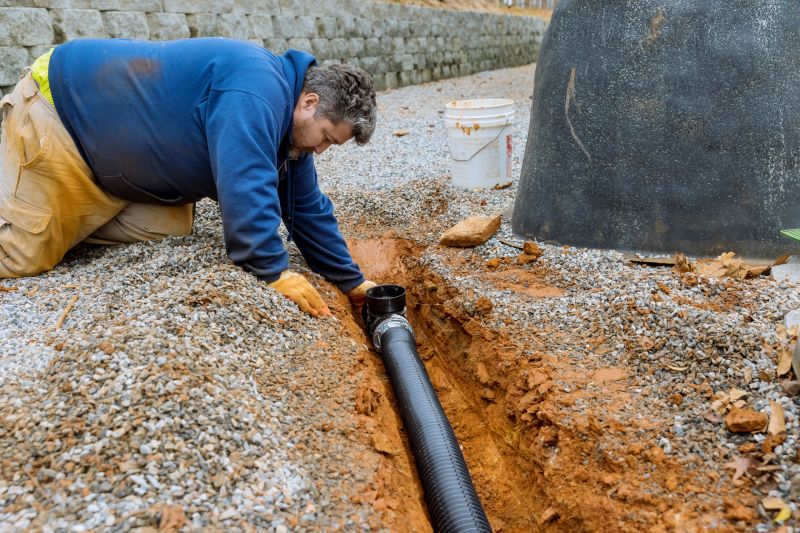
Drain line replacement services involve removing and installing new underground pipes that carry wastewater from a property to the main sewer line or septic system. These projects typically address issues such as persistent clogs, frequent backups, or visible signs of pipe deterioration like cracks or leaks. Homeowners may request this service when older drain lines have become damaged or corroded, or when renovations require rerouting existing plumbing to meet new layout plans. Understanding the scope of the replacement, including the extent of excavation and the materials used, can help property owners plan for the project and ensure proper drainage performance.
Before requesting drain line replacement, property owners usually want to know about the condition of their current pipes and the reasons for replacement. It’s helpful to consider the age of the existing drain lines, the type of material they are made of, and any ongoing plumbing issues. Clarifying the project's scope-whether it involves partial or full replacement-and understanding what to expect during excavation and installation can facilitate smoother planning. Proper assessment and preparation can contribute to a more efficient process and long-term drainage reliability.
Many property owners in Denver, CO look into Drain Line Replacement for repairs, replacements, upgrades, and appearance-related improvements.
Signs You Need Drain Line Replacement
Persistent clogs, foul odors, or slow drains may indicate a damaged drain line that requires replacement.
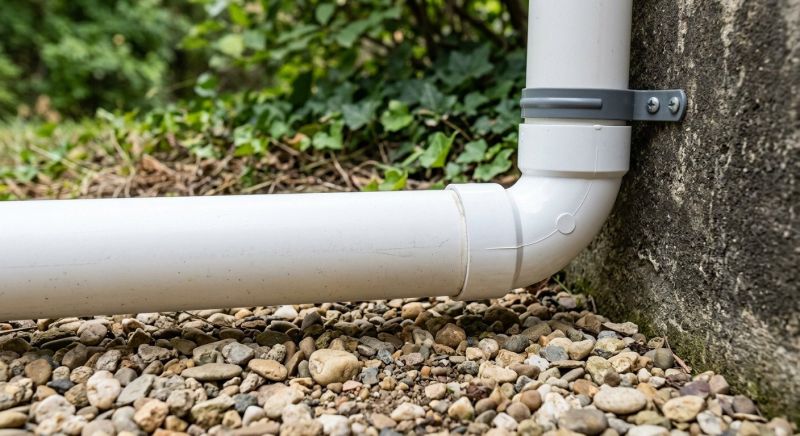
Common Causes Of Drain Line Damage
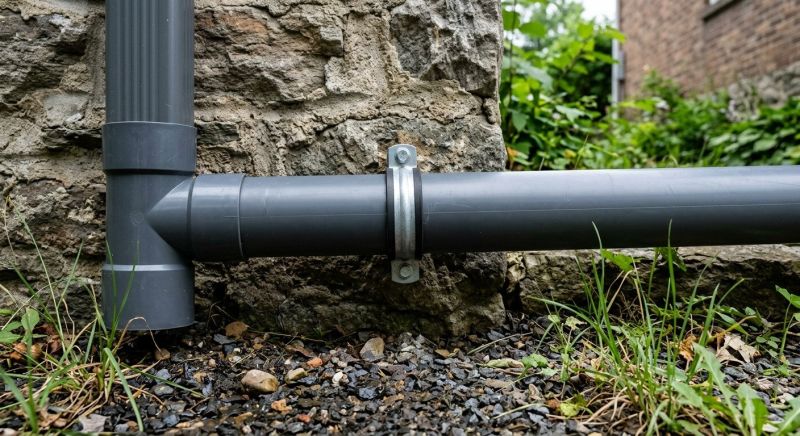
Tree roots, corrosion, and shifting soil can lead to cracks or blockages in underground drain lines around denver homes.
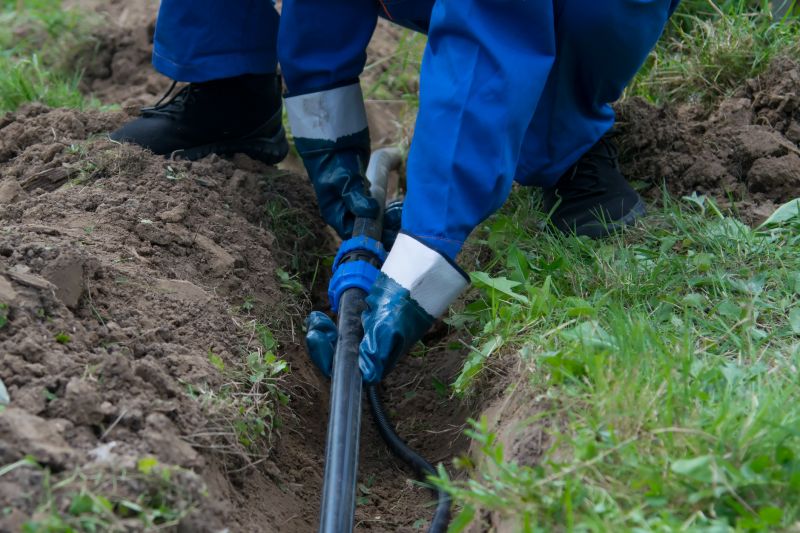
Benefits Of Replacing Your Drain Line
Upgrading to new drain lines can improve flow, prevent backups, and reduce the risk of costly repairs in the future.
Drain Line Replacement in Denver, CO

Drain line replacement services involve removing and installing new underground pipes that carry wastewater from a property to the main sewer line or septic system. These projects typically address issues such as persistent clogs, frequent backups, or visible signs of pipe deterioration like cracks or leaks. Homeowners may request this service when older drain lines have become damaged or corroded, or when renovations require rerouting existing plumbing to meet new layout plans. Understanding the scope of the replacement, including the extent of excavation and the materials used, can help property owners plan for the project and ensure proper drainage performance.
Before requesting drain line replacement, property owners usually want to know about the condition of their current pipes and the reasons for replacement. It’s helpful to consider the age of the existing drain lines, the type of material they are made of, and any ongoing plumbing issues. Clarifying the project's scope-whether it involves partial or full replacement-and understanding what to expect during excavation and installation can facilitate smoother planning. Proper assessment and preparation can contribute to a more efficient process and long-term drainage reliability.
Many property owners in Denver, CO look into Drain Line Replacement for repairs, replacements, upgrades, and appearance-related improvements.
Common Drain Line Replacement Jobs
Drain Line Replacement - replaces damaged or aging drain lines to prevent leaks and backups.
Residential Drain Line Replacement - addresses clogged or broken drain lines in homes and properties.
Commercial Drain Line Replacement - upgrades drain systems in commercial buildings for reliable drainage.
Underground Drain Line Replacement - installs new underground drain lines to ensure proper sewage flow.
Main Drain Line Replacement - replaces the primary drain line to eliminate persistent clogs and blockages.
Emergency Drain Line Replacement - provides urgent replacement services for severe drain line failures.
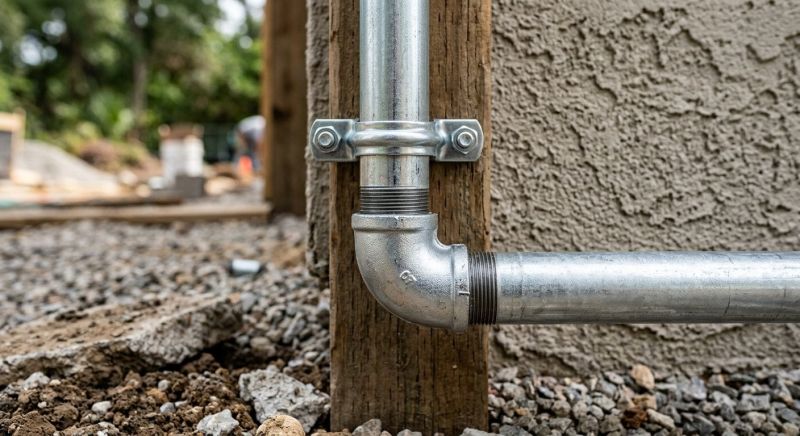
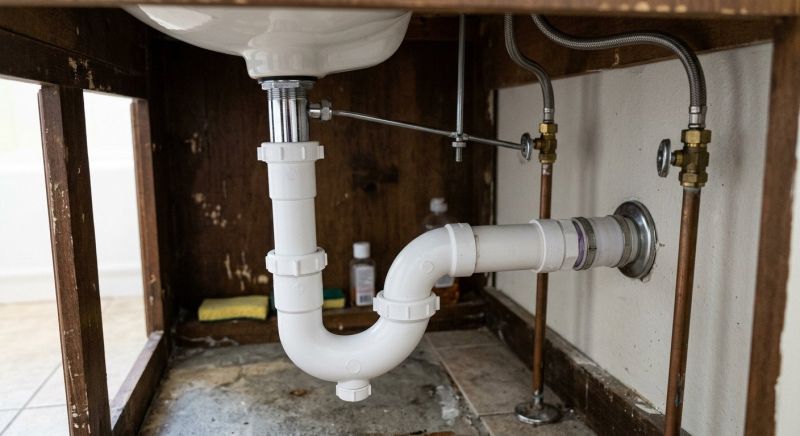
Drain Line Replacement Questions
What signs indicate drain line replacement is needed? Signs include frequent clogs, slow draining fixtures, and foul odors near drains.
What types of drain lines are typically replaced? Commonly replaced drain lines include main sewer lines, kitchen and bathroom drain pipes, and underground sewer laterals.
How is a drain line replacement performed? The process involves excavation, removing the old pipe, and installing a new pipe to ensure proper flow and prevent leaks.
What should property owners know before replacing a drain line? It's important to assess the extent of damage and understand that proper installation helps prevent future drainage issues.
Request Drain Line Replacement in Denver, CO
Use the quote form on this page to share the basics of your project and request more information for the type of work you need.