How Camera Inspections Detect Hidden Drain Line Breaks
Local contractors use camera inspections to identify hidden drain line breaks, helping homeowners pinpoint issues and plan effective repairs efficiently.
If you’re dealing with unexplained drain issues or suspect there might be hidden damage, understanding how camera inspections detect hidden drain line breaks can be a valuable step. These inspections utilize specialized equipment to visually examine the interior of your pipes, allowing service providers to locate problems that might not be visible through traditional methods. Property owners in the area often turn to these advanced techniques to identify issues early, helping prevent more extensive and costly repairs down the line. Whether you're facing persistent clogs, foul odors, or slow drains, knowing how camera inspections work can provide peace of mind and a clearer path toward resolving drainage concerns.
Local contractors who offer drain line camera inspection services are equipped to pinpoint the exact location and nature of hidden breaks within your plumbing system. This technology enables them to see inside pipes without invasive digging, making it easier to diagnose issues accurately and efficiently. If you’re wondering whether a hidden drain line break could be causing problems on your property, exploring how these inspections detect such issues can help you make informed decisions about next steps. Keep reading to learn more about how this innovative approach can help safeguard your property’s plumbing system and ensure it remains in good condition.
- Drain line repair services are needed when persistent clogs or unexplained drainage issues suggest hidden pipe damage, and local contractors use camera inspections to pinpoint breaks. Sewer line evaluations help homeowners identify concealed cracks or collapses that are not visible externally, with service providers employing specialized cameras to inspect underground pipes. When signs of slow drains or foul odors arise, local pros can perform drain line camera inspections to detect breaks or leaks that may be causing the problems. During routine maintenance or after pipe damage, local contractors utilize camera technology to visually confirm the presence and location of hidden drain line breaks. These inspections are essential for accurately diagnosing issues that are not accessible through traditional methods, allowing service providers to plan effective repairs.
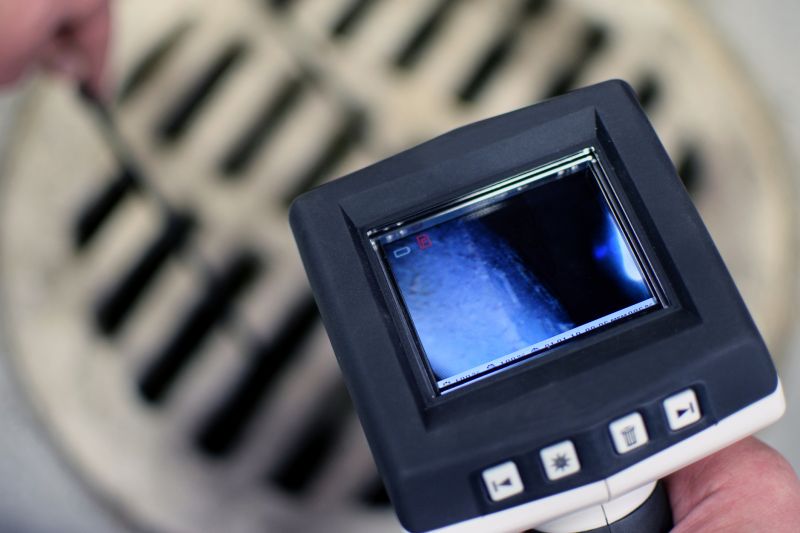
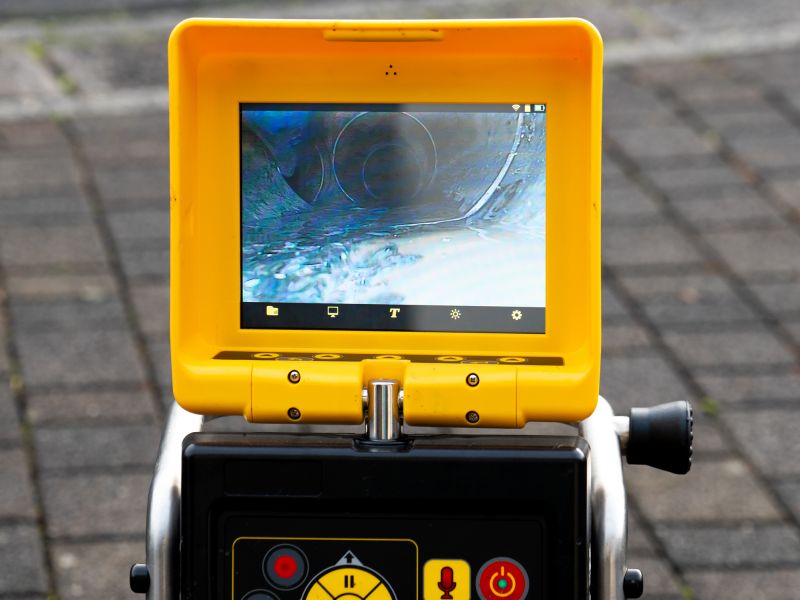
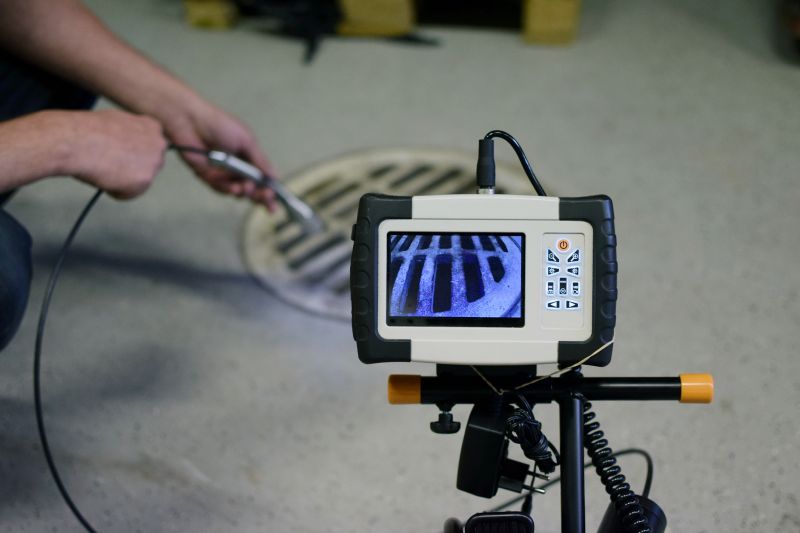
When homeowners search for how camera inspections detect hidden drain line breaks, they are often trying to understand how professionals identify issues that are not visible through traditional inspection methods. These searches typically relate to problems such as persistent drain backups, foul odors, or slow-draining fixtures that don’t have an obvious cause. The goal is to find out whether unseen damage or obstructions within the underground pipes could be behind these symptoms. Understanding this process helps homeowners grasp how drain line issues can be accurately diagnosed without invasive digging, making camera inspections a valuable tool for pinpointing the exact location and nature of a problem.
This topic is closely connected to a range of plumbing concerns and planning efforts. For instance, when a drain line break occurs, it can lead to water leaks, soil erosion, or even structural damage if left unaddressed. Homeowners may also consider camera inspections when planning pipe repairs or replacements, especially for older properties with aging infrastructure. Detecting broken or collapsed drain lines early can prevent costly repairs and extensive property damage. By understanding how these inspections work, property owners can better evaluate the importance of professional services in maintaining the integrity of their plumbing systems and avoiding future emergencies.
The types of properties where drain line camera inspections are commonly used include single-family homes, multi-unit residential buildings, commercial properties, and even some industrial facilities. In residential settings, these inspections are often performed when homeowners experience recurring drainage issues or suspect pipe damage from tree roots, shifting soil, or frozen pipes. Commercial properties with complex plumbing networks also benefit from camera inspections to ensure that their systems are functioning properly and to identify any hidden breaks or blockages. Regardless of property type, local service providers are equipped to handle these inspections efficiently, helping property owners understand the condition of underground drain lines and make informed decisions about repairs or maintenance.
Overall, how camera inspections detect hidden drain line breaks is a practical process that involves inserting a specialized, flexible camera into the pipe system to visually assess the interior condition of the drain lines. The camera transmits real-time images to the technician, allowing them to identify cracks, breaks, blockages, and other damage that may not be visible from the surface. This method provides a clear view of the pipe’s interior, making it easier to locate the exact spot of a break or defect. By employing this technology, local contractors can accurately diagnose issues, plan effective repairs, and help homeowners restore proper drainage-all without unnecessary excavation or guesswork.
Sewer Line Inspections - professionals use specialized cameras to locate blockages, cracks, or breaks in underground sewer lines, similar to detecting hidden drain line issues.
Pipe Condition Assessments - this service involves inspecting the interior of various piping systems to identify damage or deterioration that may not be visible externally.
Drain Cleaning Services - technicians often utilize camera technology to identify the root cause of persistent clogs and ensure thorough cleaning of drain lines.
Leak Detection Services - local contractors employ camera inspections along with other tools to pinpoint hidden leaks within plumbing or drainage systems.
Storm Drain Inspection - professionals assess stormwater systems for blockages or damage using camera equipment to prevent backups and flooding.
Underground Utility Locating - this involves mapping and inspecting underground pipes and cables, requiring similar planning and camera tools as drain line inspections.
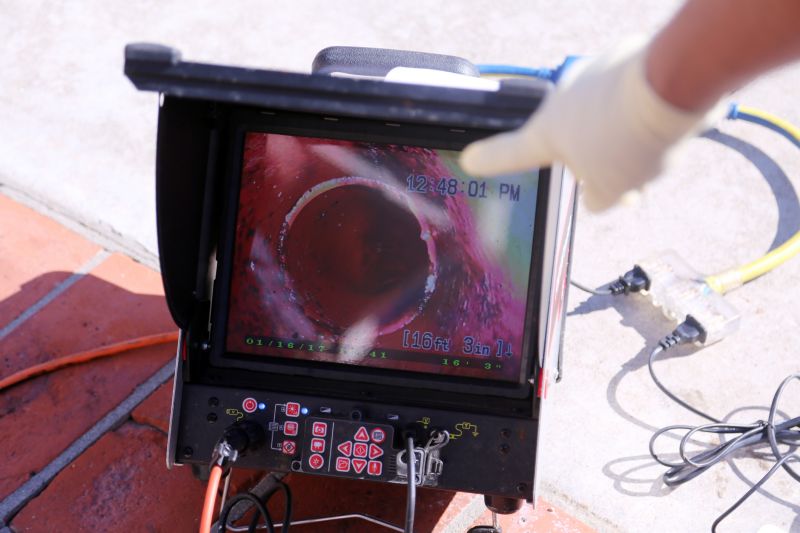
When evaluating service providers for drain line camera inspections, it’s important to consider their experience with similar projects. A contractor who has handled a variety of drain inspection scenarios is more likely to understand the nuances of detecting hidden breaks and identifying potential issues within complex pipe systems. Homeowners should inquire about the types of drain problems the contractor has addressed in the past and whether they have experience with the specific challenges that can arise during camera inspections, such as navigating tight bends or working with older piping materials. This background can help ensure that the chosen professional has the practical knowledge needed to accurately assess the condition of the drain lines.
Clear written expectations are essential when comparing local contractors for drain line camera inspections. A detailed scope of work should outline what the inspection will include, how the process will be conducted, and what the homeowner can expect in terms of findings and next steps. Having this information in writing helps prevent misunderstandings and ensures that both parties are aligned on the scope of the project. Homeowners should also ask about the type of equipment used and whether the inspection will include a comprehensive report or video footage, which can be valuable for understanding the precise location and nature of any hidden drain line issues.
Reputable references and effective communication are key factors when choosing a service provider. Reliable contractors should be able to provide references or examples of previous work that demonstrate their ability to perform thorough drain inspections. Good communication involves not only clarity in explaining the inspection process but also responsiveness to questions and concerns. A professional who maintains open, transparent communication can help homeowners feel more confident in the inspection process and in the accuracy of the findings. When comparing local pros, it’s beneficial to prioritize those who demonstrate a history of trustworthy service and clear, consistent communication throughout the project.
Property owners often search for how camera inspections detect hidden drain line breaks when they are planning practical projects around their homes and businesses. Local pros provide Drain Line Camera Inspection services for everyday jobs and straightforward project options.
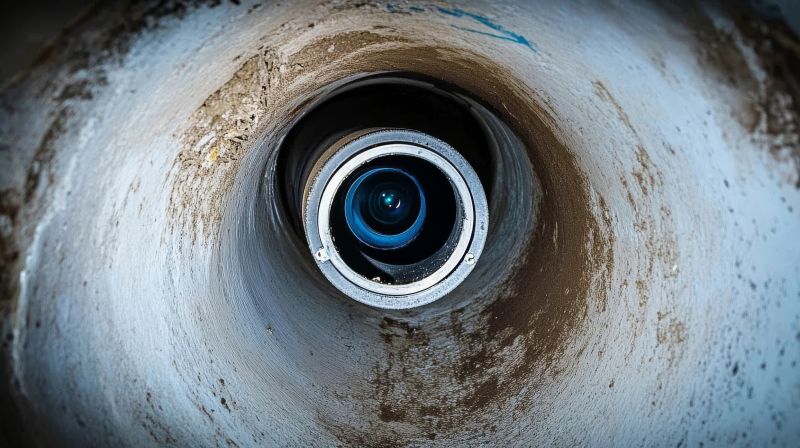
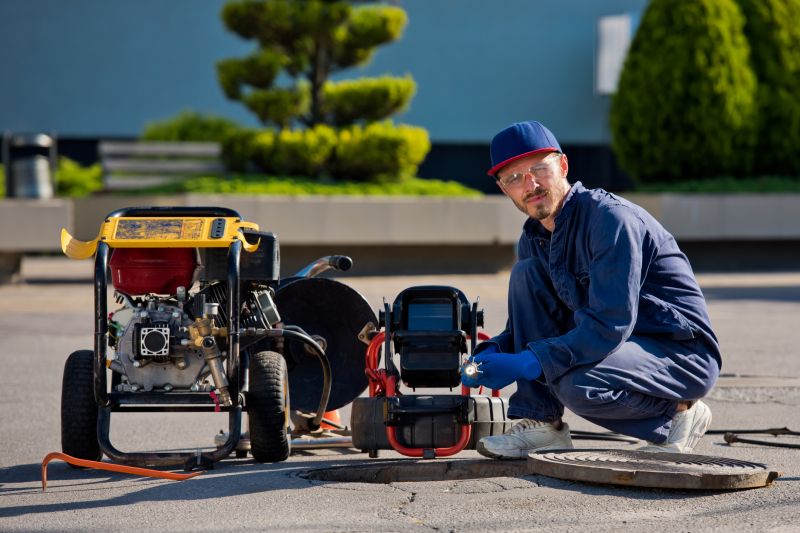
When property owners notice slow drains, recurring backups, or unpleasant odors, they may wonder if hidden damage is to blame. These issues can sometimes stem from unseen breaks or cracks in the drain lines that are not visible to the naked eye. In such situations, drain line camera inspections offer a practical solution by allowing local contractors to visually assess the condition of underground pipes without extensive excavation. This technology helps identify the exact location and nature of any damage, making it easier to determine the appropriate repairs and avoid unnecessary disruptions.
Homeowners and business owners in the area often turn to local service providers for camera inspection services when suspecting a hidden drain line break. These inspections involve inserting a small, flexible camera into the pipe system, which transmits real-time images to reveal internal issues like cracks, blockages, or collapsed sections. By pinpointing the problem accurately, local contractors can recommend targeted repairs, helping property owners resolve drainage problems efficiently and with minimal hassle. This straightforward approach is especially useful for diagnosing issues that are difficult to detect through traditional methods.
How do camera inspections help detect hidden drain line breaks? Camera inspections allow service providers to visually examine the interior of drain lines, making it possible to identify breaks, cracks, or collapses that are not visible from outside the pipe.
What signs indicate a hidden drain line break that might need inspection? Signs such as persistent backups, foul odors, or unexplained water pooling can suggest a hidden break, prompting local contractors to perform camera inspections for confirmation.
Why are camera inspections effective in locating drain line breaks? They provide real-time visuals inside the pipe, enabling service providers to pinpoint the exact location and nature of the break without invasive digging or guesswork.
Can camera inspections detect all types of drain line issues? While highly effective for identifying breaks, cracks, and blockages, camera inspections are primarily used to detect physical damage and may be supplemented with other methods for comprehensive diagnostics.
How do local service providers perform camera inspections to find hidden drain line breaks? They insert a flexible, waterproof camera into the drain line, which is remotely operated to navigate through the pipe and capture images of any damage or obstructions.
Understanding inspection techniques - property owners can learn how camera inspections identify hidden drain line breaks to better communicate with local contractors during repairs.
Identifying problem areas - using camera inspections helps pinpoint specific locations of damage, allowing for targeted repairs and minimizing disruption.
Evaluating drain system condition - regular camera inspections can help property owners monitor the health of their drain lines and schedule maintenance before issues worsen.
Choosing the right repair approach - understanding how camera inspections detect breaks enables property owners to make informed decisions about repair or replacement options with local service providers.
If you are thinking about how camera inspections detect hidden drain line breaks for a property, this guide is meant to help you understand this topic, the typical project types, and how different options might fit your plans.
When you are ready, you can use the quote form on this page to share a few details about your project. From there, local pros can review the basics and follow up with options that match what you have in mind.