Utility Basin Installation in Denver, CO
Utility basin installation services involve setting up the essential underground containers that manage wastewater and stormwater runoff on residential properties. These systems are commonly installed for new construction projects, renovations, or when upgrading existing drainage infrastructure. Property owners often request this service to ensure proper water management, prevent flooding, and meet local building codes. Before requesting installation, it’s important to understand the size and capacity needed based on the property’s layout, anticipated water flow, and specific project requirements.
Property owners should also consider the location of the utility basin in relation to other underground utilities and structures to avoid conflicts during installation. Clarifying the scope of work, including excavation, site preparation, and connection points, helps ensure the project aligns with property needs. Understanding local regulations and any necessary permits can facilitate a smooth installation process, helping to maintain proper drainage and protect the property’s foundation and landscape.
Many property owners in Denver, CO look into Utility Basin Installation for repairs, replacements, upgrades, and appearance-related improvements.
Utility Basin Installation Basics
Proper installation ensures reliable water and waste management for residential and commercial properties.
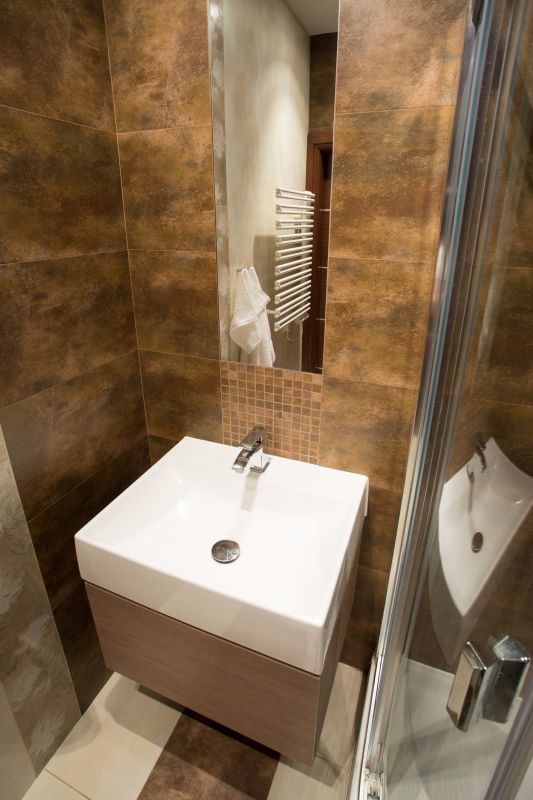
Common Projects Involving Utility Basins
Projects often include new construction, renovations, or upgrades to existing plumbing systems in denver and nearby areas.
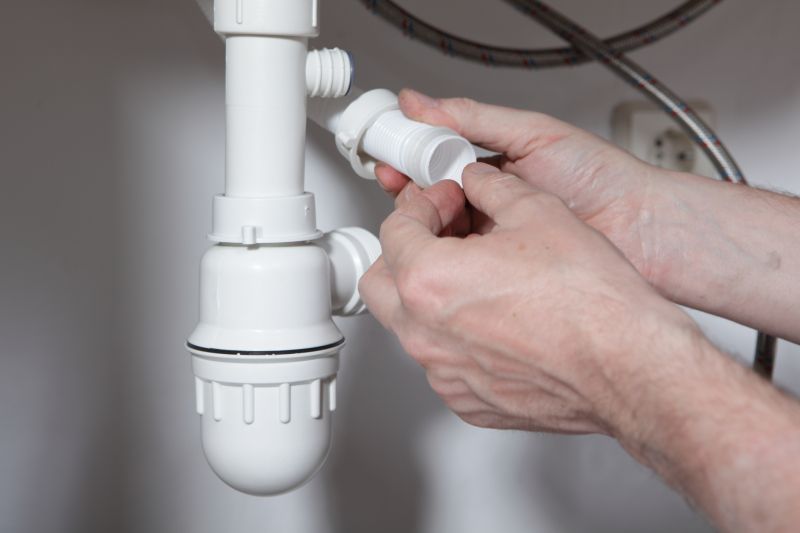
Key Considerations For Property Owners
Choosing the right location and ensuring proper drainage are essential for effective utility basin performance.
Utility Basin Installation in Denver, CO

Utility basin installation services involve setting up the essential underground containers that manage wastewater and stormwater runoff on residential properties. These systems are commonly installed for new construction projects, renovations, or when upgrading existing drainage infrastructure. Property owners often request this service to ensure proper water management, prevent flooding, and meet local building codes. Before requesting installation, it’s important to understand the size and capacity needed based on the property’s layout, anticipated water flow, and specific project requirements.
Property owners should also consider the location of the utility basin in relation to other underground utilities and structures to avoid conflicts during installation. Clarifying the scope of work, including excavation, site preparation, and connection points, helps ensure the project aligns with property needs. Understanding local regulations and any necessary permits can facilitate a smooth installation process, helping to maintain proper drainage and protect the property’s foundation and landscape.
Many property owners in Denver, CO look into Utility Basin Installation for repairs, replacements, upgrades, and appearance-related improvements.
Common Utility Basin Installation Jobs
Utility Basin Installation - Installing basins for water, sewer, and storm drainage systems on residential properties.
Water Meter Setup - Connecting new water meters to ensure accurate flow measurement for property management.
Sewer Connection Services - Linking property drainage systems to municipal sewer lines for proper waste removal.
Storm Drain Installation - Setting up storm basins to manage rainwater runoff and prevent flooding.
Drainage System Upgrades - Improving existing basin systems to enhance water flow and prevent pooling.
Utility Access Point Installation - Creating access points for maintenance and inspection of underground utility lines.
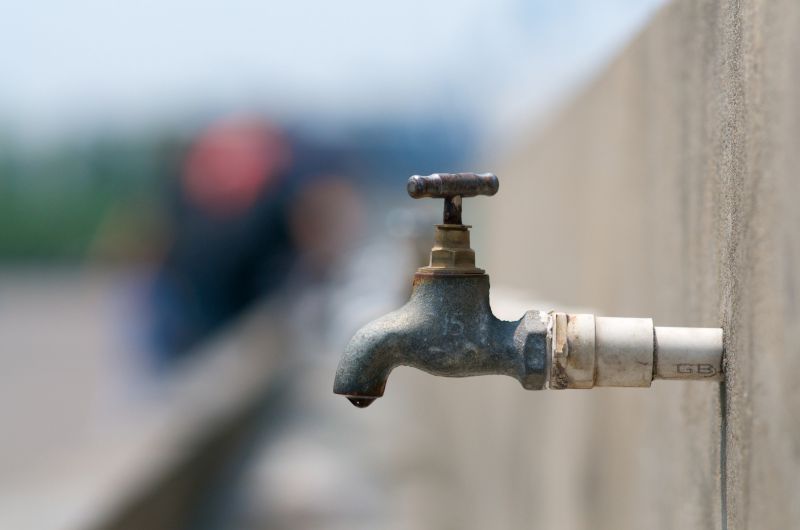
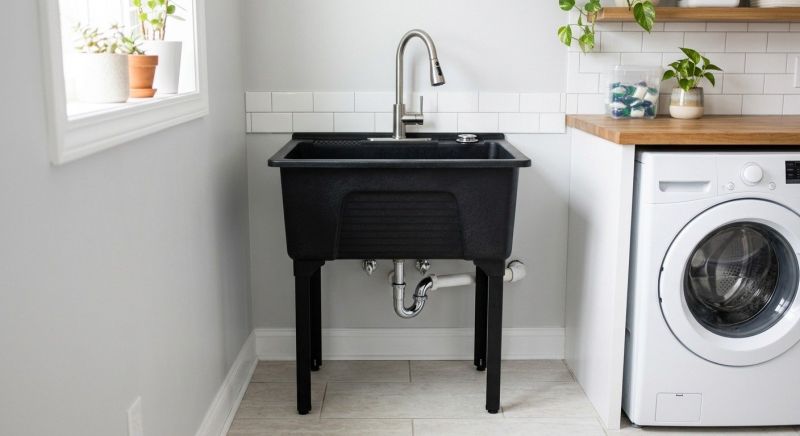
Utility Basin Installation Questions
What is a utility basin installation? It involves setting up a designated area for connecting utilities like water, sewer, or electrical systems to a property.
When is a utility basin needed? A utility basin is typically required during new construction, property upgrades, or when relocating utility connections.
What materials are used for utility basins? Common materials include concrete, plastic, or fiberglass, chosen for durability and suitability to the project.
How does a utility basin improve property functionality? It provides a secure, accessible space for utility connections, reducing future maintenance issues and facilitating repairs.
Request Utility Basin Installation in Denver, CO
Use the quote form on this page to share the basics of your project and request more information for the type of work you need.